
Is Home Staging Worth It? Costs, Benefits, and a Simpler Way to Sell Your Home
March 6, 2026
By David Singh Roy
Featured Topics
What is Home Staging?
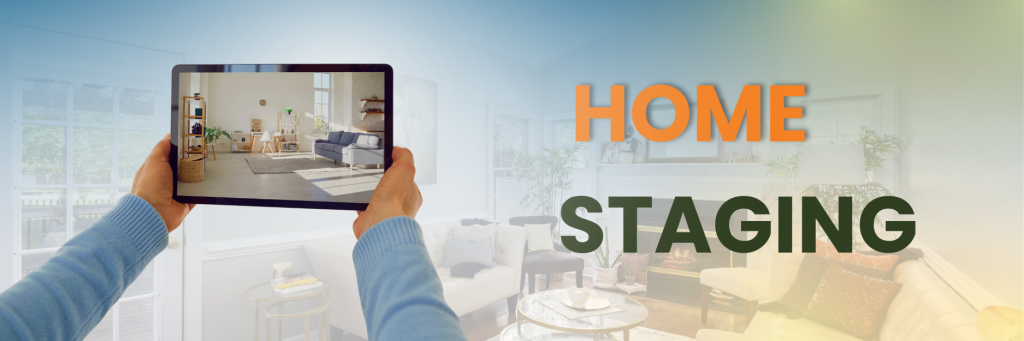
Home staging is the process of preparing a home for sale by arranging furniture, décor, and layout so buyers can imagine themselves living there. The goal is to highlight the home’s strengths, minimize distractions, and help potential buyers form an emotional connection with the space. When done well, staging helps a property feel welcoming, functional, and move‑in ready.
Many sellers are surprised to learn how much presentation can influence a sale. Industry data consistently shows that staged homes attract stronger buyer interest and often sell for higher prices. In some cases, staged properties have even sold for tens of thousands of dollars above list price.
But here’s the truth most sellers don’t hear right away: staging isn’t really about furniture or decorations. It’s about psychology. When a buyer walks through the front door, they’re deciding within moments whether the home feels right. The more easily they can picture their life there, the more likely they are to make an offer.
Still, if you’re researching “is home staging worth it”, you’re probably asking a deeper question. Is the cost, effort, and stress actually worth it for your situation?
Let’s break it down honestly.
Is Home Staging Worth the Investment?
In many cases, staging can increase buyer interest and potentially increase the final sale price. But the results depend on the property, the market, and the seller’s willingness to invest time and money upfront.
There are three main reasons staging can influence a home sale.
1. Potential Value Increase
Some real estate professionals report that staging can increase a home’s sale price between 1% and 5%. In stronger cases, higher increases have been observed.
To put that into perspective:
If a home is worth $350,000, a 1%–5% increase could mean an additional $3,500 to $17,500.
That’s why many agents recommend staging. Even a small increase in buyer competition can drive the final price higher.
However, it’s important to be realistic. Staging does not guarantee a higher sale price. The market ultimately decides the value of the home.
2. Buyer Visualization
One of the biggest challenges buyers face is imagining how they would live in a space.
Most buyers simply cannot visualize how an empty room will look with their furniture. They struggle to judge room size, layout, and functionality.
When a home is staged, those questions disappear.
A staged living room shows where the sofa goes. A staged bedroom shows the scale of the room. A staged dining area shows how the space can actually be used.
The result is a faster emotional connection.
And emotional connection is what often drives purchase decisions.
3. The Empty Room Trap
There is a well‑known perception issue in real estate.
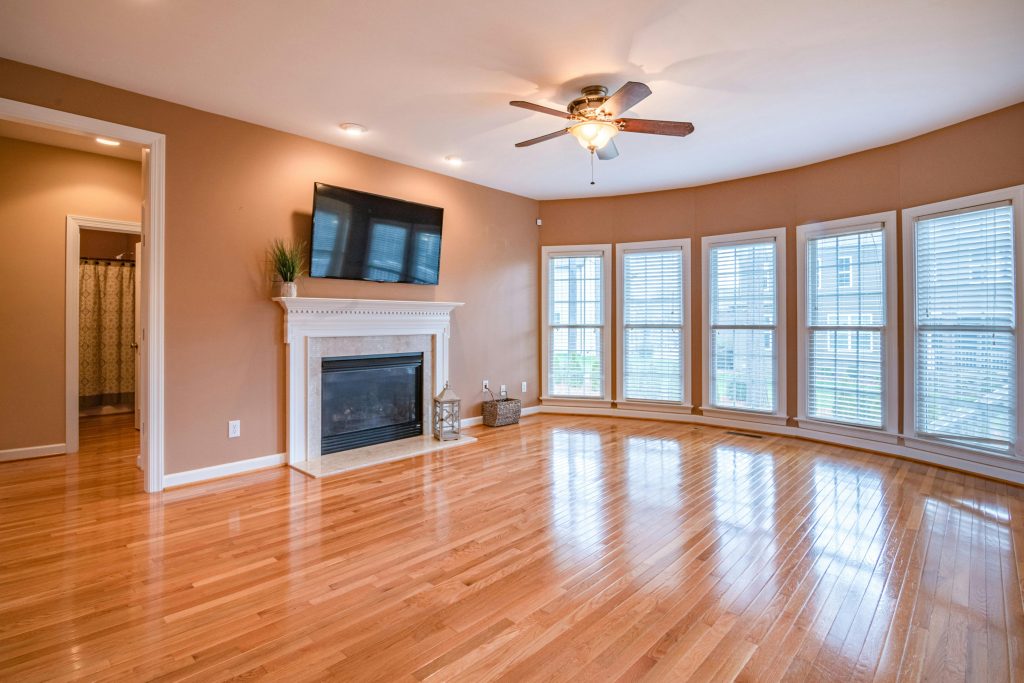
Empty rooms often look smaller than furnished rooms.
Without furniture to define scale, buyers have trouble understanding the dimensions of a space. They may assume a bedroom is too small for a king bed, or a living room is too narrow for seating.
Light furniture actually helps buyers understand the size and function of a room.
This is why model homes are always furnished.
Without that visual guidance, buyers may simply move on to the next listing.
Understanding the Costs of Home Staging Home staging costs
Home staging costs vary widely depending on the size of the property, the number of rooms staged, and whether the home is occupied or vacant.
For most homes, staging costs typically fall between $837 and $2,924, with the average around $1,844. However, larger homes or vacant homes can cost significantly more.
Consultation Cost
Consultation cost: $150–$600
Many professional stagers begin with a walkthrough consultation. During this visit they evaluate the home, recommend layout changes, and identify areas that need improvement.
Some staging companies apply this fee toward the final staging cost if you hire them for the full service.
Occupied Home Staging Cost
Occupied home staging cost: $1,000–$3,000
If the seller is still living in the home, staging often involves rearranging existing furniture, removing clutter, and adding a few decorative elements.
Because the home already contains furniture, the cost tends to be lower.
Vacant Home Staging Cost
Vacant home staging cost: $4,000–$6,000 or more
Vacant homes require full furniture installation. Stagers bring in sofas, beds, artwork, rugs, and décor to create a complete living environment.
Furniture rentals are usually charged monthly, which means costs increase if the home remains on the market longer than expected.
The 1% Rule
A simple rule of thumb many sellers use is the 1% rule.
Staging a home for two to three months typically costs about 1% of the home’s list price.
Example:
A $350,000 home may cost roughly $3,500 to stage.
That estimate may increase if the home takes longer to sell and furniture rental fees continue.
Budget‑Friendly and DIY Staging Strategies
Not every seller needs to spend thousands on professional staging.
There are practical ways to improve presentation without hiring a full staging company.
Focus on Key Rooms
You do not need to stage every room.
The highest‑impact rooms are:
-
Living room
-
Primary bedroom
-
Kitchen
-
Entryway
These are the spaces buyers remember most and the rooms that appear first in listing photos.
If your budget is limited, focus on these areas first.
The Three D’s: Declutter, Deep Clean, Depersonalize
One of the most effective home staging frameworks is simple: the Three D’s.
Declutter
Remove excess furniture and personal items.
Less clutter makes rooms feel larger and more open. Many sellers temporarily store extra belongings to create a more spacious appearance.
Deep Clean
Clean every visible surface.
Wash windows to increase natural light. Clean floors, countertops, and fixtures. A fresh coat of neutral paint can dramatically improve how a home shows.
Depersonalize
Remove family photos, personal collections, religious items, and political décor.
The goal is to make the space feel neutral so buyers can imagine their own lives inside the home.
Virtual Staging
Virtual staging digitally adds furniture to listing photos using photo editing software.
Typical cost: $35–$100 per room.
This option works best for vacant homes where online photos drive most of the initial interest.
However, sellers should disclose virtual staging in the listing so buyers understand that the furniture is not physically present.
The Reality Check: Is the Effort Worth the Stress?
Staging can help sell a home, but it also comes with real trade‑offs that many sellers underestimate.
The Financial Risk
Staging costs are paid before the home sells.
That means the money is invested without a guaranteed return.
If the property stays on the market longer than expected, furniture rental fees may continue to accumulate.
Some staging contracts require a minimum of two to three months, even if the home sells quickly.
The “Showroom” Lifestyle
Living in a staged home can feel like living inside a model house.
Beds must stay perfectly made. Counters must stay clear. Personal items must remain hidden.
Every showing requires preparation.
For families still living in the home, this routine can become exhausting.
Children, pets, and normal daily life make it difficult to maintain that level of presentation day after day.
The Physical Toll
Preparing a home for staging often means sorting through years of belongings.
That can include:
packing items for storage
moving furniture
repainting rooms
performing minor repairs
For homeowners going through major life transitions—downsizing, relocation, divorce, or selling an inherited property—this process can feel overwhelming.
And sometimes, sellers simply want a simpler path forward.
The Third Option: Skip the Hassle and Sell As‑Is
For some sellers, staging and listing on the open market is the right move.
But for others, the time, expense, and uncertainty simply aren’t worth it.
That’s where a direct sale can make sense.
I buy homes directly in Queens and Long Island, which allows homeowners to skip the traditional listing process entirely.
No Staging Required
When you sell directly to me, the home is evaluated exactly as it is.
There’s no need to rent furniture, hire stagers, or prepare the property for showings.
The goal is simplicity and transparency.
Forget the Three D’s
There’s no requirement to declutter or depersonalize the home for buyers.
You can take the belongings you want and leave anything you don’t.
There’s no need to transform the house into a showroom.
No Repairs or Painting
Traditional buyers often request repairs after inspections.
With a direct purchase, the home is bought in its current condition.
No repair negotiations.
No last‑minute contractor work.
Certainty Over Speculation
Staging and listing on the open market is essentially an investment in a potential outcome.
Sometimes it pays off. Sometimes it doesn’t.
Selling directly provides clarity.
You know the price, the timeline, and the terms upfront.
For many sellers facing major life transitions, that certainty is extremely valuable.
If you want to learn more about how the process works, visit:
or see the full process here:
Bottom Line
Home staging can be a powerful tool when selling a property on the open market. It helps buyers visualize the space, strengthens emotional connection, and can sometimes increase the final sale price.
But staging also requires time, money, and energy—resources not every seller wants to invest.
If you’re comfortable preparing your home, managing showings, and waiting for the right buyer, staging can absolutely be worth it.
But if you value simplicity, privacy, and moving forward without turning your home into a project, selling directly to Sell My House in Queens may be the easier path.
A quick conversation can help you understand your options and decide what works best for your situation.
Frequently Asked Questions
1. How much does home staging cost on average?
The average home staging cost is roughly $1,000 to $2,000 for many homes, though larger properties or vacant homes may cost significantly more due to furniture rentals and extended staging periods.
2. Does home staging really increase home value?
Staging can improve buyer interest and sometimes increase offers, but it does not guarantee a higher sale price. Market demand ultimately determines the final value of the property.
3. What rooms should I stage first?
The living room, primary bedroom, kitchen, and entryway typically provide the highest return because they are the first spaces buyers notice during showings and online listings.
4. What is the difference between occupied and vacant home staging?
Occupied staging uses the seller’s existing furniture and usually costs less. Vacant staging requires furniture rentals and décor installation, which can significantly increase costs.
5. Is it better to stage a home or sell it as‑is?
Staging may help attract buyers in traditional listings, but selling as‑is can be the better choice for homeowners who want to avoid preparation costs, repairs, and the stress of maintaining a staged home during showings.