
Home Inspection Cost in 2026: How Much Should You Expect to Pay?
November 11, 2026
By David Singh Roy
You’ve found a house you love, your offer has been accepted, and you’re already thinking about moving in. Then your real estate agent mentions scheduling a home inspection.
Another expense. And you’re probably wondering whether you really need it.
Here’s what you should know. The average home inspection cost in 2026 is approximately $344, with most inspections falling between $296 and $425 nationwide, according to Angi’s September 2026 cost report.
In New York, particularly in Queens, Brooklyn, and Long Island, costs can be higher depending on the property.
A home inspection may seem like another bill during an already expensive homebuying process. But finding out that a house needs a new roof or has serious plumbing problems before you purchase it is a lot better than discovering those problems after closing.
The real question isn’t just how much the inspection costs. It’s what you’re getting for your money.
Featured Topics
- How Much Does a Home Inspection Cost in 2026
- What Does a Home Inspection Include?
- What Factors Affect Home Inspection Cost?
- How Much Does a Home Inspection Cost in New York?
- Who Pays for the Home Inspection: Buyer or Seller?
- Are Additional Home Inspections Worth the Cost?
- Is a Home Inspection Required for a Mortgage?
- What Happens if the Home Inspection Finds Problems?
- Can You Negotiate the Home Price After an Inspection?
- How Long Does a Home Inspection Take?
- Should You Skip a Home Inspection to Save Money?
- How to Choose a Good Home Inspector
- FAQ: About Home Inspection Costs
- Final Thoughts: Is a Home Inspection Worth the Cost?
How Much Does a Home Inspection Cost in 2026?
Most buyers can expect to pay between $296 and $425 for a standard home inspection. Larger homes, older properties, and specialized inspections may cost considerably more.
The final price depends on the home's size, location, age, and the services provided by the inspector.
Standard residential home inspection
Inspection Cost by Home Size
| Home Size | Estimated Inspection Cost |
|---|---|
| Under 1,000 square feet | $200–$250 |
| 1,000–1,500 square feet | $225–$325 |
| 1,500–2,000 square feet | $250–$375 |
| 2,000–2,500 square feet | $275–$400 |
| 2,500–3,000 square feet | $300–$500 |
Source: Angi, 2026 home inspection pricing data. These figures are national estimates, not fixed prices. Your actual inspection fee may fall outside these ranges.
Why Property Type Matters
Inspecting a newer 1,200-square-foot condominium is usually less involved than inspecting a 100-year-old, two-family house with multiple heating systems and an unfinished basement.
That's why it's smart to request a detailed quote before hiring an inspector.
What Does a Home Inspection Include?
A home inspection gives you an independent assessment of the property's visible and accessible condition.
The inspector examines major systems and components, identifies observable concerns, and prepares a report explaining what was found.
A standard inspection generally covers the following six areas.
01 / 06
Roof and Attic
The inspector looks for visible roof deterioration, signs of leaks, damaged roofing materials, and accessible attic concerns.
A roof may look perfectly fine from the street while showing signs of moisture damage from inside the attic.

Foundation and Structural Components
Foundation cracks, unusual movement, uneven floors, and visible structural concerns may warrant further investigation.
Not every crack signals a serious problem. But you want to know whether something needs a closer look before you own the property.
03 / 06
Electrical System
Inspectors examine accessible electrical panels, wiring, outlets, and other visible components.
Older homes may have electrical systems that need repairs or updating.
04 / 06
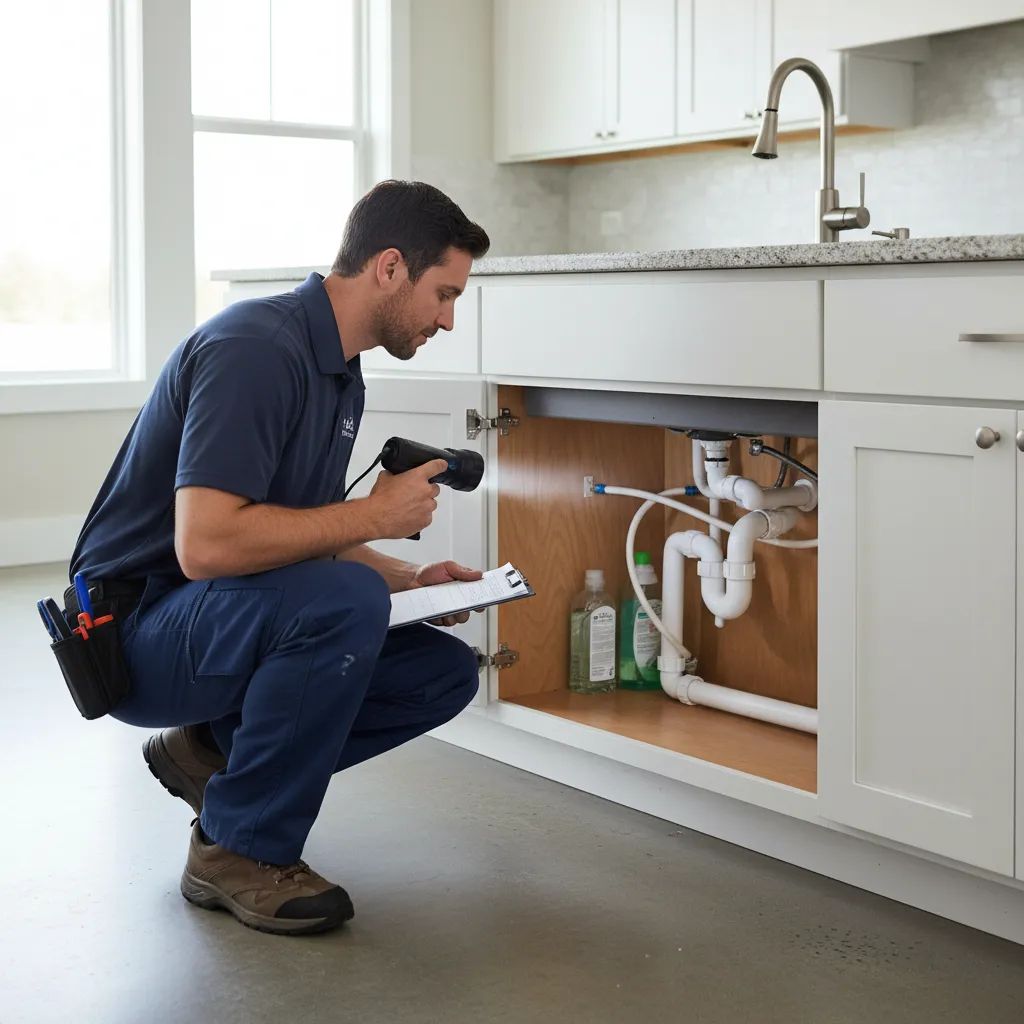
Plumbing System
A standard inspection includes accessible plumbing components, fixtures, drains, and visible signs of leaks.
Problems hidden behind walls or underground may require specialized testing.
05 / 06
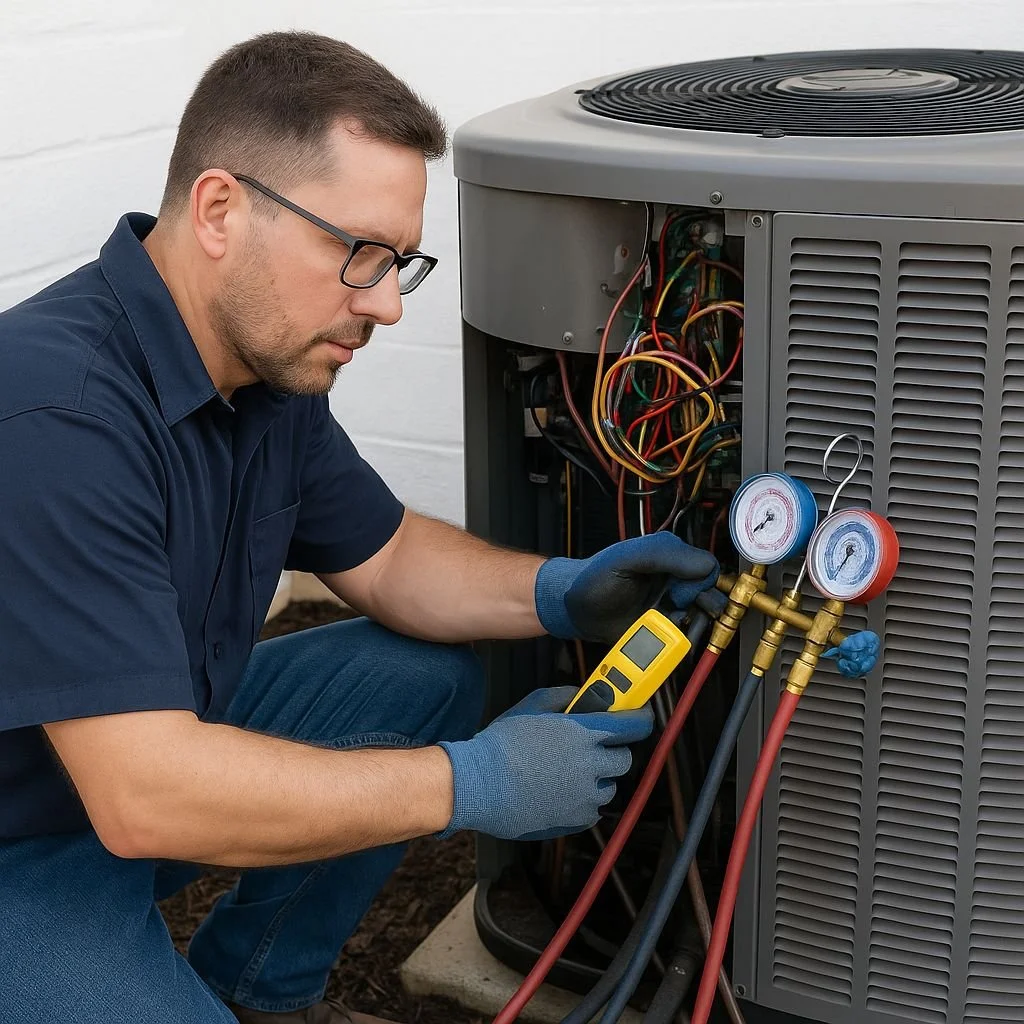
Heating and Cooling Systems
The inspector evaluates accessible heating and cooling equipment, generally checking whether the systems operate under normal conditions.
A heating system that's approaching the end of its useful life may not require immediate replacement, but knowing its condition can help you plan for future expenses.

Interior and Exterior Conditions
Windows, doors, ceilings, walls, stairs, grading, and other accessible areas are also reviewed.
The American Society of Home Inspectors outlines standards for inspecting major residential components.
What Factors Affect Home Inspection Cost?
No two homes are exactly alike, and inspection prices reflect those differences.
1. Property Size
Larger properties take longer to inspect.
A five-bedroom house with three bathrooms will generally require more work than a one-bedroom condominium.
Inspectors may charge a base fee and increase the price as the square footage grows.
2. Age of the Home
Older properties can have more complicated systems and construction characteristics.
For example, a house built in the early 1900s may have undergone several renovations, electrical upgrades, or plumbing modifications over the years.
An inspector may need additional time to examine accessible areas and document potential concerns.
3. Property Location
Inspection pricing varies by city and region.
Areas with higher labor costs and stronger demand for inspection services may have higher fees.
And in markets such as New York City, property type and accessibility can also influence the price.
4. Type of Property
A condominium, single-family home, duplex, and larger multifamily property may require different inspection scopes.
A two-family home with separate heating equipment, additional bathrooms, and multiple kitchens may cost more to inspect than a comparable single-family property.
5. Additional Testing
A basic inspection doesn’t necessarily include every test you might want.
Radon testing, termite inspections, mold assessments, sewer camera inspections, and certain environmental evaluations may require extra fees.
Ask what the quoted price includes before you schedule the appointment.
How Much Does a Home Inspection Cost in New York?
For New York homebuyers, inspection prices can vary significantly depending on location and property characteristics.
Angi’s 2026 pricing report places the average cost in New York City at approximately $450, compared with the national average of $344.
A separate HomeGuide cost reference lists a broader statewide range of approximately $200 to $700.
Neither figure guarantees what you’ll pay in Queens, Brooklyn, or Long Island. Local quotes are the best way to establish your actual budget.
Why Older New York Homes May Need More Attention
Queens and Brooklyn have many established neighborhoods with older housing stock.
A property may have been renovated several times, converted from one configuration to another, or expanded over the years.
Depending on the home, you may want additional attention paid to accessible plumbing, electrical systems, basement moisture, roofing, and the condition of previous improvements.
For a legal two-family property, the inspection should also account for the relevant systems serving both units.
Before hiring someone, verify that the inspector meets New York’s licensing requirements. The New York State Department of State provides official information about home inspector licensing.
Who Pays for the Home Inspection: Buyer or Seller?
In most residential real estate transactions, the buyer pays for the home inspection.
Buyers generally hire their own inspector and pay the inspection company directly.
Sometimes a seller completes a pre-listing inspection before putting the property on the market. In that situation, the seller pays for the inspection they ordered.
But a seller’s inspection shouldn’t automatically replace your own independent evaluation.
The Consumer Financial Protection Bureau recommends choosing an independent inspector who is accountable to you.
When Do You Pay for the Inspection?
The inspection usually takes place during the purchase process, before closing.
The timing depends on your contract and local real estate practices.
In New York, inspections often take place before the buyer signs the formal purchase contract, although arrangements vary.
Most inspectors require payment when the inspection is performed or according to the terms of their service agreement.
If you decide not to purchase the house afterward, you generally won’t receive a refund for the inspection service.
You’ve paid for the inspector’s professional evaluation, regardless of whether the transaction closes.
Are Additional Home Inspections Worth the Cost?
Sometimes a general home inspection identifies something that requires a closer look from a specialist.
For example, an inspector may notice signs of moisture intrusion and recommend a separate mold assessment to determine whether additional testing is needed.
Specialized Home Inspection Costs
Radon Testing
Checks for elevated radon gas levels.
Pest Inspection
Looks for termites and other pest activity.
Roof Inspection
Evaluates roof condition and potential damage.
Electrical Inspection
Provides a closer evaluation of electrical systems.
Plumbing Inspection
Examines plumbing concerns and water systems.
Foundation Inspection
Investigates possible structural or foundation issues.
Mold Inspection
Assesses potential mold and moisture concerns.
Source: Angi, 2026 home inspection cost data. Prices shown are estimated national averages. Actual local pricing may vary.
Do You Really Need Every Additional Inspection?
Not every property needs every specialized inspection. And paying for unnecessary testing can add hundreds of dollars to your homebuying expenses.
The better approach is to identify which additional evaluations make sense based on the property's age, condition, location, and initial inspection findings.
Pay for the inspections that help you understand potential problems, not simply every test available.
Is a Home Inspection Required for a Mortgage?
For most conventional mortgage transactions, a standard home inspection isn’t required by the lender.
But don’t confuse a home inspection with a home appraisal.
They’re two different things.
A home inspection helps the buyer understand the property’s physical condition.
A home appraisal provides an opinion of the property’s market value for lending purposes.
For example, imagine you’re buying a home for $650,000.
The property might appraise at $650,000, satisfying the lender’s valuation requirements, while the home inspection identifies a heating system that needs significant repairs.
The appraisal doesn’t replace the inspection.
Certain FHA, VA, conventional, or other mortgage transactions may also involve property-condition requirements. If the appraiser identifies issues affecting the loan’s eligibility, repairs may be required before closing.
You can learn more about appraisals in our related article.
What Happens if the Home Inspection Finds Problems?
Finding problems during an inspection doesn’t automatically mean you should walk away from the house.
Almost every property has maintenance issues.
The question is whether the findings are manageable, how much repairs might cost, and whether you’re still comfortable purchasing the home.
Suppose you’re buying a home for $600,000.
The inspection reveals that the roof needs repairs, the electrical panel requires evaluation, and there’s evidence of water entering the basement.
Instead of guessing what those repairs might cost, you can obtain estimates from qualified contractors.
Depending on the purchase contract, you may then have several options.
You could ask the seller to complete certain repairs before closing.
You might negotiate a lower purchase price or request a closing credit, subject to lender rules.
Or if the findings are serious enough, you may decide the property isn’t right for you.
Your ability to renegotiate or cancel depends on the terms of the contract and applicable contingencies.
The inspection gives you information. What you do with that information is the next decision.
Can You Negotiate the Home Price After an Inspection?
Yes, depending on the contract and whether the seller agrees.
An inspection report can provide a factual basis for requesting repairs or negotiating the purchase terms.
For instance, if a qualified contractor estimates that a major roof repair will cost $12,000, you might discuss a seller credit or purchase price reduction.
However, the seller doesn’t automatically have to accept your request.
And a $12,000 repair estimate doesn’t guarantee a $12,000 reduction.
In competitive markets, sellers may be less willing to negotiate. In slower markets, buyers may have more flexibility.
If you plan to finance the property, your mortgage professional should also review any proposed seller credits or changes to the purchase price.
Lenders have rules about seller concessions and property conditions, so the structure matters.
How Long Does a Home Inspection Take?
Most standard home inspections take approximately two to four hours.
Smaller homes may require less time, while larger or more complicated properties may take longer.
You should attend the inspection whenever possible.
Seeing the findings firsthand helps you understand what the inspector is describing, and you’ll have the opportunity to ask questions.
For example, there’s a difference between a heating system that’s working but aging and one that isn’t functioning properly.
An inspection report may identify both concerns, but speaking with the inspector can help clarify what additional evaluation is needed.
Afterward, you’ll receive a written report documenting the findings.
Review it carefully, especially the sections identifying safety concerns, significant repairs, or systems needing further evaluation.
Should You Skip a Home Inspection to Save Money?
I wouldn’t recommend it.
Waiving an inspection might make your offer more attractive to a seller, but it also increases your risk.
Imagine saving $400 by skipping an inspection, only to discover after closing that the property has a serious drainage problem or requires major electrical repairs.
You’re now responsible for addressing issues you might have learned about before purchasing the house.
And those repairs can be expensive.
A home inspection doesn’t guarantee a problem-free property. But it gives you more information before you make one of the largest financial commitments of your life.
If you’re concerned about making a competitive offer, speak with your real estate agent and attorney about your options rather than automatically giving up the right to inspect.
How to Choose a Good Home Inspector
The cheapest inspector isn’t necessarily the best choice.
You’re hiring someone to evaluate a property that could represent hundreds of thousands of dollars of your money.
Start by checking licensing and credentials where required.
Look for an inspector who has experience with the type of property you’re purchasing.
If you’re buying an older two-family home in Queens, you may benefit from someone familiar with older construction, multiple-unit systems, and the kinds of problems common in that housing stock.
Ask for a sample inspection report before hiring.
You want a report that’s clear, detailed, and supported by photographs when appropriate.
Also find out how long the inspection will take, which services are included, and whether specialized testing costs extra.
A good inspector should explain the findings in plain English, not leave you guessing about what needs attention.
Frequently Asked Questions About Home Inspection Costs
1. What is the average home inspection cost in 2026?
The national average home inspection cost is approximately $344, with most standard inspections ranging from $296 to $425, based on Angi’s September 2026 pricing data.
Your actual cost depends on property size, age, location, and inspection services.
2. How much does a home inspection cost in New York?
Angi reports an average of approximately $450 in New York City, while costs elsewhere in the state may vary considerably.
For homes in Queens, Brooklyn, or Long Island, request local quotes based on the specific property.
3. Is a home inspection included in closing costs?
A home inspection is generally a separate expense paid before closing.
Although it belongs in your overall homebuying budget, it usually isn’t paid through the final mortgage closing.
4. Can a home fail a home inspection?
A standard home inspection doesn’t assign a passing or failing grade.
The inspector documents the property’s condition and identifies concerns.
You and your professional advisers can then determine whether to move forward, request repairs, or consider other options.
5. Do I need a home inspection on new construction?
Yes, an independent inspection is still a smart idea.
New construction can have installation mistakes, incomplete work, or defects that aren’t obvious during a walkthrough.
6. Does the seller have to fix everything found during an inspection?
No.
Whether the seller agrees to repairs depends on the purchase contract, negotiations, and applicable requirements.
Some mortgage programs may require specific property issues to be corrected as a condition of financing.
7. Can I get my home inspection money back if the deal falls through?
Usually, no.
The inspection fee generally pays for the service performed, regardless of whether you ultimately purchase the property.
Check your inspector’s service agreement for the payment and refund terms.
8. How can I save money on a home inspection?
Request quotes from several qualified inspectors and compare what’s included.
Some companies offer bundled pricing for general inspections and additional testing.
But don’t select someone solely because they charge the lowest fee. Experience, reporting quality, and a thorough inspection are worth considering.
Final Thoughts: Is a Home Inspection Worth the Cost?
Buying a home is exciting, but it can also stretch your budget.
Between the down payment, attorney fees, appraisal, insurance, moving expenses, and other closing costs, another few hundred dollars may feel unnecessary.
Still, the home inspection is one expense I’d encourage buyers to take seriously.
You’re not paying someone to tell you whether the house looks nice.
You’re paying for a professional assessment that can help you identify costly issues before you’re responsible for the property.
A home inspection won’t uncover every problem, and it won’t guarantee that nothing will break after closing.
But it can give you a much better understanding of what you’re purchasing.
The inspection cost is relatively small compared with the financial responsibility of homeownership.