
What to Fix Before Selling a House in Queens / Long Island, NY?
December 17, 2025
By David Singh Roy
Last winter, I walked into a home in Astoria where everything looked fine, until you noticed the peeling paint on the basement door, a leaky kitchen trap, and a front step that wobbled. Those little fine issues are exactly what make buyers pause, lowball, or leave.
So if you’re wondering what to fix before selling a house in Queens / Long Island, NY, this is the real-world list. Not “rip out your kitchen.” Just the updates and repairs that actually move the needle in Queens and Long Island home selling, from Long Island City to Forest Hills, Flushing, Bayside, Jamaica, Ridgewood, Ozone Park, and Jackson Heights.
If you’re thinking “I can’t fix this” or “I just want it gone,” I’ll cover the sell as-is path too. Because sometimes the best move is not renovating at all.
Queens and Long Island buyers are sharp. They look fast. They judge faster. And even when they say they’re “okay with work,” they still price in headaches.
Here’s what I’ve learned about selling a house in Queens, New York: buyers don’t need perfect.
They need clean, functioning, and not risky.
So the smartest strategy is usually:
- Fix the stuff that screams neglect
- Repair the stuff that fails inspection/appraisal
- Improve the stuff that impacts photos and first impressions
- Skip upgrades that don’t return your money
That’s it. Simple. Not easy. But simple.
Home inspection repair
If you do nothing else, do this: make the home “inspection-ready.” Because in most deals, the inspection is where the price gets chopped.
Fix these inspection magnets first
- Active leaks (under sinks, around toilets, ceilings, radiator lines)
- Water stains (even old ones, buyers assume it’s still happening)
- Loose railings (stoops, interior stairs, porch railings)
- GFCI outlets missing in kitchen/bath
- Broken windows / cracked panes
- Doors that don’t close or don’t latch properly
- Evidence of pests (mice droppings, chewed corners, roaches)
- HVAC or boiler issues (Queens buyers do not want a winter surprise)
If a buyer sees “deferred maintenance,” they start imagining the worst. And their offer reflects that.
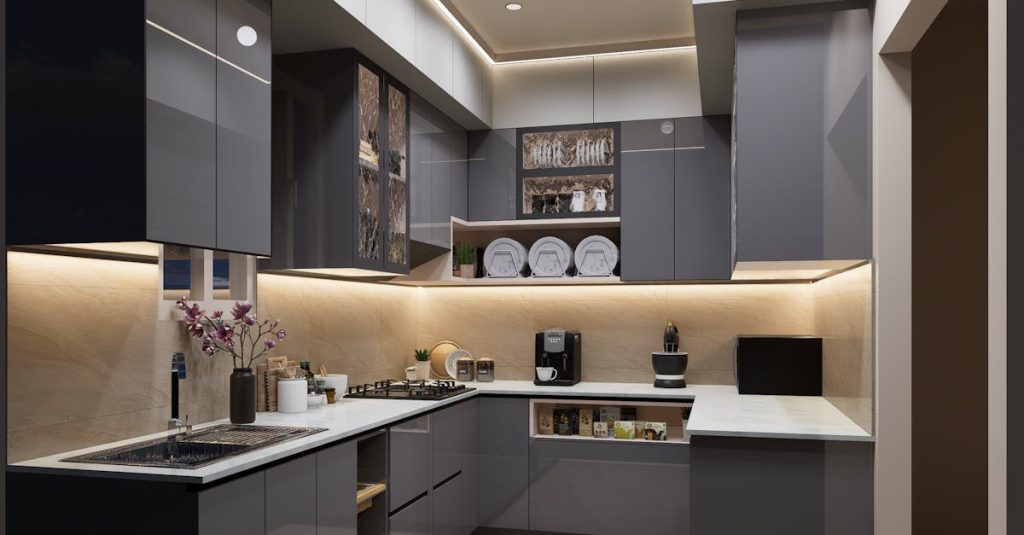
Kitchen remodeling
I’m gonna say it straight: you usually don’t need a full kitchen remodel to sell a Queens home. But you do need a kitchen that doesn’t feel tired and grimy.
High-impact kitchen fixes
- Replace dated cabinet hardware (handles/pulls)
- Swap an old faucet for a clean, modern one
- Update a dated light fixture
- Deep clean the stove hood, cabinets, and backsplash
- If cabinets are beat up: paint only if you can do it cleanly
If you’re asking, “Should I redo the countertops?” here’s my take:
Only if your current counters are damaged or stained.
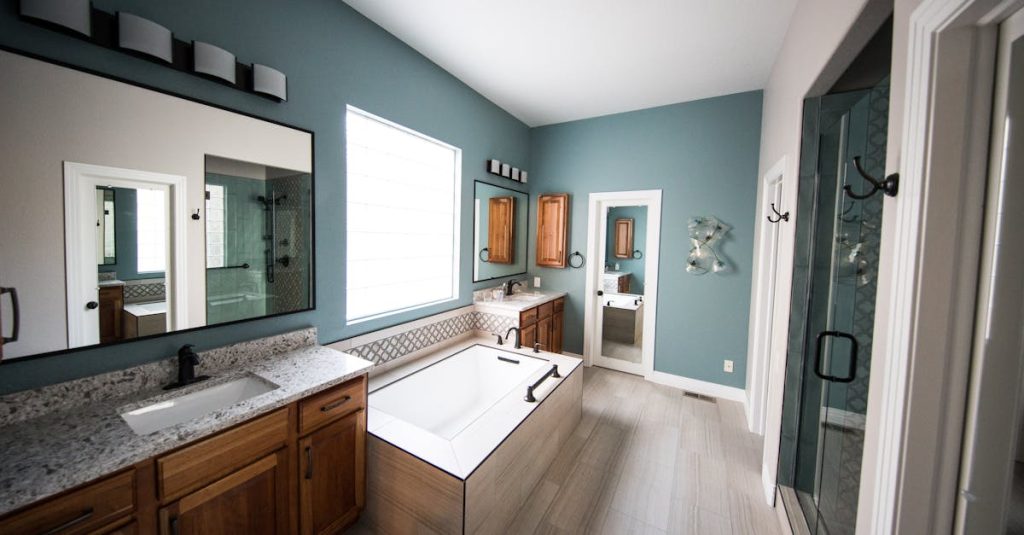
Bathroom renovation
Bathrooms don’t need luxury. They need to feel bright, clean, and solid.
Bathroom repairs buyers notice instantly
- Re-caulk tubs and showers
- Fix slow drains
- Replace a wobbly toilet
- Replace a cracked vanity top or broken mirror
- Refresh grout
And please, if there’s water damage under the sink, don’t ignore it. Buyers in Forest Hills and Bayside, especially, will treat it like a red flag.

Exterior home repair
Queens and Long Island are curb-appeal markets. People do drive-bys. People judge the block. People judge your front steps. That’s just how it is.
Easy curb-appeal repairs that change everything
Power wash front steps, walkway, siding, and fence
Fix loose stoop railings and wobbly steps
Patch cracks in concrete
Replace a broken mailbox, house numbers, or exterior light
Paint the front door if it’s scuffed
If the outside looks neglected, buyers assume the inside is worse. Even if it isn’t.

Roof repair
Roof talk is tricky. A brand-new roof doesn’t always pay back dollar-for-dollar. But an obviously failing roof will absolutely hurt you.
What to handle before listing
Missing shingles
Active leaks
Sagging sections
Bad flashing around chimneys/skylights
If your roof is older but not failing, you may be better off pricing accordingly than rushing a full replacement. The key is not getting blindsided during inspection.
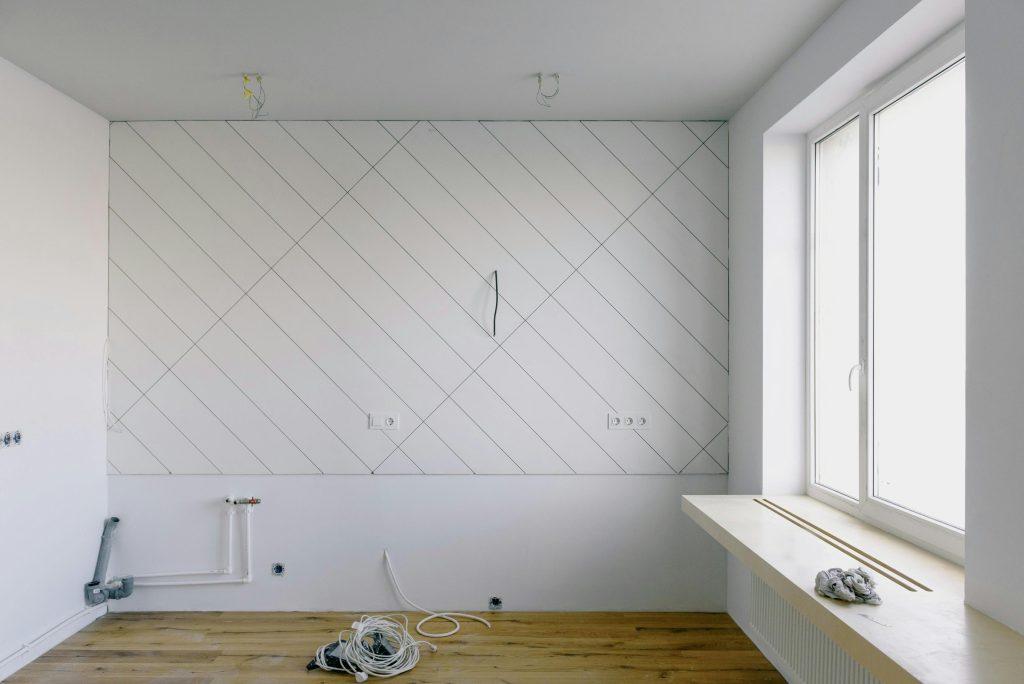
Electrical repair
Electrical scares buyers. Not because they understand it, but because they assume it’s expensive.
Fix the electrical stuff
Loose outlets / plates
Flickering lights
Exposed wiring
Missing cover plates
Non-working switches
Old “jury-rigged” extension cord situations
Also: upgrade harsh or dim bulbs. Your photos will look better instantly. And yes, photos sell houses.
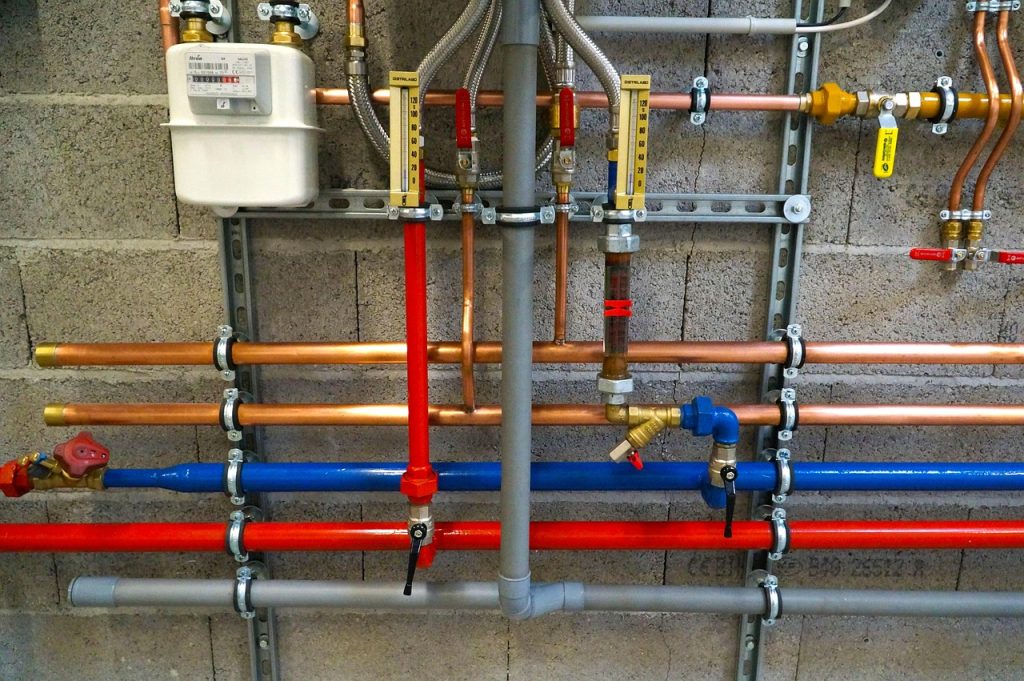
Plumbing repair
A home can be outdated and still sell.
A home that feels like it’s “falling apart” won’t.
Do these plumbing fixes
Replace a dripping faucet
Fix running toilets
Replace corroded shutoff valves if needed
Address low water pressure if it’s obvious
In Jackson Heights and older parts of Ridgewood, buyers already expect older bones. But they still don’t want active problems.
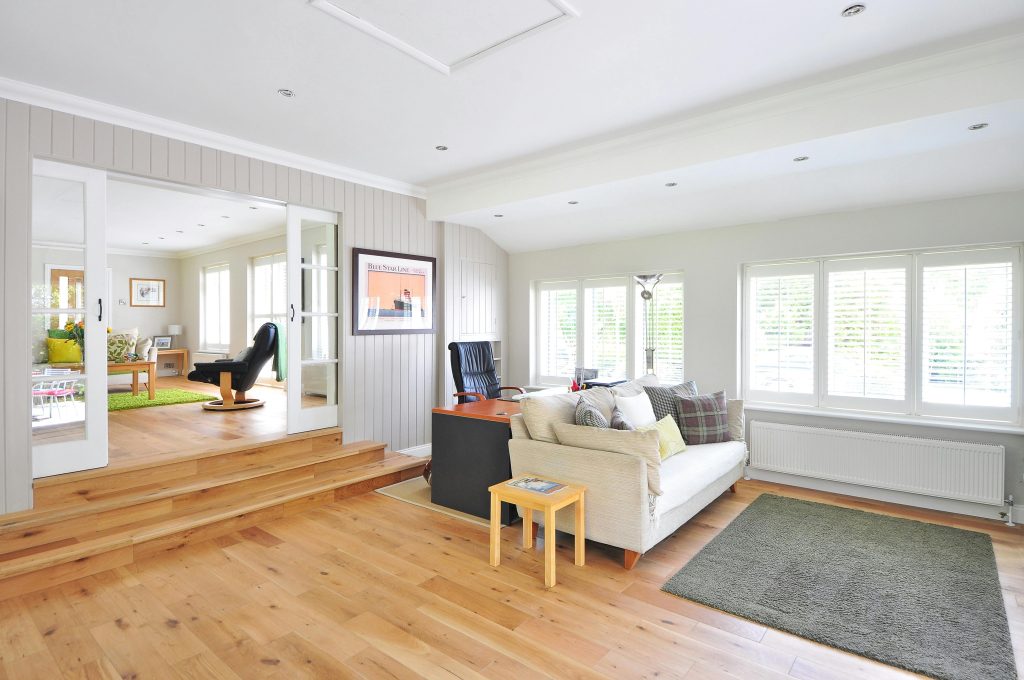
Flooring installation
Floors are emotional. Buyers step in and decide how they feel immediately.
What to do with floors
- Refinish hardwood if it’s worn and dull
- Replace torn carpet (or remove it if hardwood is underneath)
- Repair loose tiles and cracked grout lines
If you can’t replace flooring, at least make it spotless and consistent. Dirt + damage = “I’m going to negotiate hard.”
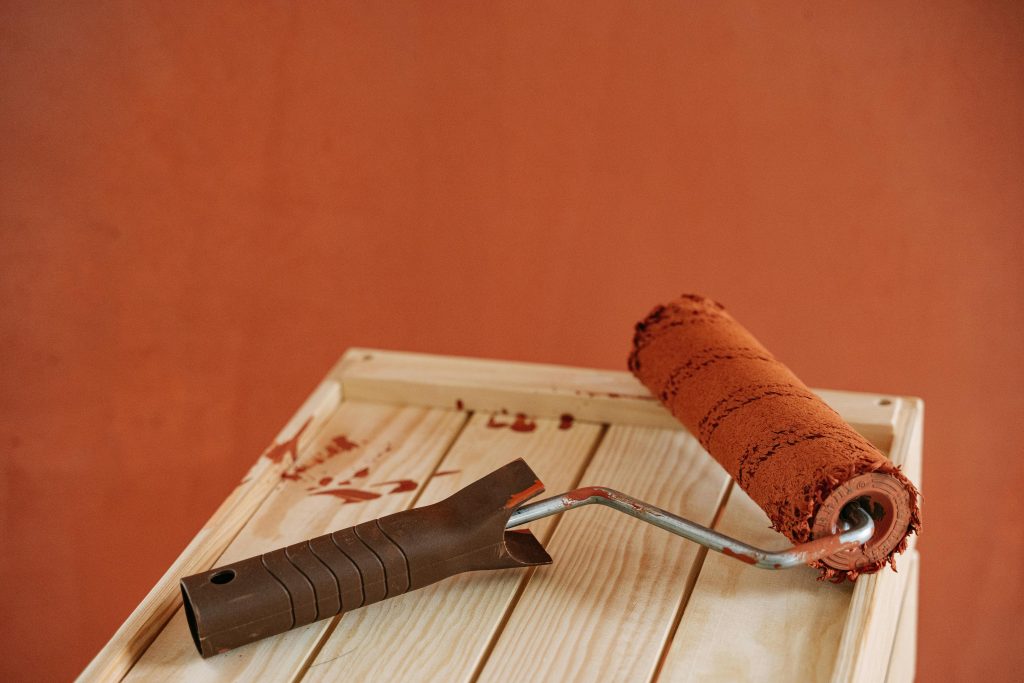
Interior painting
Fresh paint is the classic “old school” move for a reason. It works.
Paint rules that help you sell faster
- Neutral colors (warm whites and light greiges)
- Patch holes and dents properly first
- Don’t rush it right before showings
- Avoid trendy dark rooms unless your place is already staged and styled
And yeah—buyers literally react to “it feels clean.” That’s paint. That’s lighting. That’s the smell. That’s the vibe.
Home staging
You don’t need a designer house. You need a house that looks like someone can live there without fighting through your stuff.
Staging basics that work in Queens / Long Island
- Declutter hard (especially entry, kitchen counters, bathrooms)
- Remove oversized furniture that blocks flow
- Add light (lamps + correct bulbs)
- Make bedrooms look like bedrooms (not storage units)
In smaller layouts, space is the product. If it feels cramped, the price drops.
Deep cleaning service
This is the most underrated “repair” of all. And it’s non-negotiable.
What a true deep clean should hit
- Baseboards and trim
- Behind appliances
- Bathrooms (tile, grout, fixtures)
- Windows (inside and out)
- Odors (pets, smoke, old cooking smells
Clean sells. Mess doesn’t. It’s that simple.
“Sell as-is” home sale
Now the real talk section.
If you’re thinking:
- “I can’t fix this.”
- “I don’t have the money.”
- “I don’t have the time.”
- “The place needs way more than paint.”
…then a traditional list-and-repair strategy might be the wrong play.
A sell as-is home sale can make sense when:
- Repairs are major (roof + electric + plumbing at the same time)
- You’re dealing with violations, hoarding, or heavy cleanout
- You don’t want contractors in your life for 8–12 weeks
- You’d rather trade some price for speed and certainty
And no, “as-is” doesn’t mean you do nothing. It means you’re choosing a path where you aren’t renovating to meet retail-buyer expectations.
The smart “as-is” approach
- Get a realistic idea of your “as-is” value
- Compare it to a cleaned-up value
- Subtract repair costs and your time, stress, and holding costs
(mortgage, taxes, insurance, utilities—those add up fast)
Sometimes the math says fix it.
Sometimes the math says don’t
Quick checklist: What to fix before selling a house in Queens / Long Island, NY
If you want the simplest “do this first” list:
- Fix active leaks and water stains
- Patch and paint obvious wall damage
- Replace broken lights/fixtures and dead bulbs
- Repair railings, steps, doors that don’t latch
- Make kitchen + bath look clean and functional
- Refinish/clean floors and remove odors
- Deep clean like you’re preparing for a magazine photo shoot
- Decide: retail listing strategy vs sell as-is strategy
That’s the real order.
If you’re deciding what to fix before selling a house in Queens / Long Island, NY, the best next step is getting a clear plan based on your home, your neighborhood, and your timeline.
Sell My House in Queens can help you compare two paths:
- A smarter “fix-first” plan that targets the repairs that actually pay off
- Or an as-is option if you don’t want to renovate at all
If you want, share the basics (area, property type, condition), and I’ll tell you what’s worth doing, and what’s a waste.
2 Responses