
Things you don’t need to make before selling a house
December 20, 2025
By David Singh Roy
If you’re getting ready to sell, you probably want to fix everything.
You might want to replace your appliances, renovate your kitchen, and fix everything.
That’s where a lot of sellers lose their money.
I see this all the time in Queens and Long Island. Sellers are spending tens of thousands on repairs that buyers either don’t care about, plan to rip out, or actively dislike.
Let’s talk about things you don’t need to make before selling a house, and how to decide what’s actually worth touching.

Before we get into what you can skip, let’s be clear about the basics.
Most homes that sell well in neighborhoods like Astoria, Forest Hills, Flushing, and across Nassau County aren’t perfect.
They’re clean, safe, honest, and priced correctly.
That’s it.
Now let’s talk about the stuff sellers think they have to do, but usually don’t.
Things you don’t need to do when selling a house
1. Partial renovations
Half-updated rooms almost always backfire.
New vanity, old floors.
New countertops, 30-year-old cabinets.
Fresh tile next to something clearly outdated.
Buyers don’t see “updated.”
They see unfinished.
If you can’t do a full room properly, it’s usually better to leave it alone and let the buyer plan it their way.
2. Replacing old working appliances
If the appliances work, open, close, and don’t look disgusting, replacing them is rarely necessary.
Most buyers:
- Expect to upgrade appliances later
- Don’t want to pay for brands or finishes they didn’t choose
- Care more that everything functions
If something is broken or missing, that’s different.
But swapping working appliances for shiny new ones? Not worth it.
3. Replacing old windows that still function
This one surprises sellers.
New windows are expensive.
And they almost never return the cost at resale.
If the windows open, close, and aren’t rotted or dangerous, buyers in Queens and Long Island are fine with them.
They might replace them later. They might not.
Clean them well.
That’s usually enough.
4. Removable items (fixtures, furniture, décor)
Curtains. Light fixtures. Furniture. Wall art.
Buyers mentally delete most of this during a showing.
If something is dated or ugly, remove it, don’t replace it.
Empty and clean beats new but questionable taste, every time.
5. Don’t renovate kitchens or bathrooms
This is where sellers overspend the fastest.
Kitchens and baths are personal.
Your taste won’t be theirs.
Unless the home is far below neighborhood standards, major kitchen or bathroom renovations usually:
- Don’t return what they cost
- Delay your listing
- Get ripped out anyway
Clean and functional kitchen and bathroom beats newly renovated ones, but don’t pass the taste of buyers.
6. Don’t install finishes buyers will rip out anyway
Grey floors, trendy tiles, loud paint colors, and even wallpaper.
Buyers say it all the time:
“I wish they had just left it alone.”
If you know something will be replaced during a remodel, skip it.
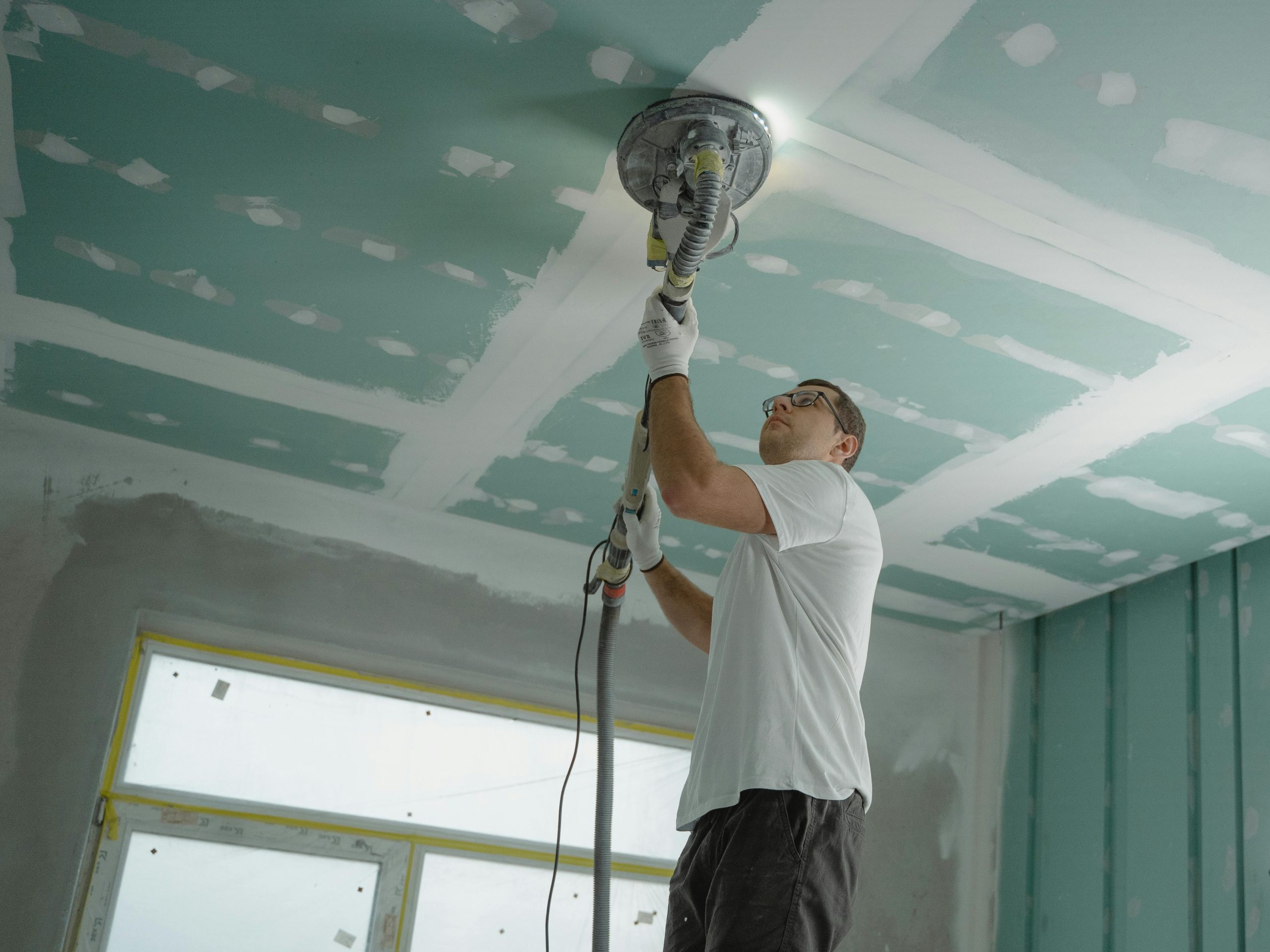
7. Don’t do DIY repairs unless you’re truly skilled
This one really matters.
Bad DIY is worse than no repair at all.
Sloppy paint.
Poor electrical work.
Quick patches that crack later.
Buyers notice, and inspectors notice the poor work. Undoing those bad works cost more than doing it right the first time.
8. Don’t hide problems with band-aid fixes
Covering cracks with furniture.
Installing flooring over water damage.
Painting over issues instead of addressing them.
This kills trust, and deals.
If you can’t fix it, don’t touch it.
Honesty sells better than cover-ups.

How to decide what not to fix
1. Consult a top local agent first
Before you touch anything, get local guidance.
Markets vary street by street in Queens and block by block on Long Island.
What makes sense in Bayside might be a waste in Jamaica Estates.
A good agent helps you avoid:
- Over-improving
- Fixing the wrong things
- Spending money buyers won’t value
2. Consult a handyman (not a contractor)
There’s a huge difference.
A few days with a handyman can take care of:
- Small repairs
- Visible issues
- Quick wins buyers notice immediately
Contractors are for big projects.
Most sellers don’t need those.
3. Determine if you’ll actually recoup the cost (ROI test)
Ask one simple question:
Will this help the home sell faster or for meaningfully more?
If the answer is “maybe” or “I hope so,” pause.
A $500 fix that improves first impressions? Usually yes.
A $30,000 renovation with no guarantee? Usually no.
4. Grandfathered-in building code issues
Older homes don’t need to meet today’s codes if they were legal when built.
Inspectors will note it.
Buyers can update later.
Sellers rarely need to bring everything up to modern standards to sell.

Advice from real buyers & sellers
Here’s what consistently makes a difference:
- Clean thoroughly
- Declutter aggressively
- Patch holes properly
- Replace broken outlet covers
- Fix non-working outlets or switches
- Use neutral paint (not trendy colors)
- Magic eraser on scuffed walls
- Landscaping, edging, fresh gravel
- Simple welcome mat at the entry
- Remove bad drapes or wallpaper
- Refinish hardwoods only if they’re truly rough
- Replace something only if it’s broken or gross
And most important
Make the first 5 minutes flawless
Buyers decide emotionally fast.
From the sidewalk to the front door to the entryway, everything they see immediately should feel clean, bright, and cared for.
You don’t get a second first impression.
Conclusion
Selling a home in Queens or Long Island isn’t about making it perfect.
It’s about making it appealing, trustworthy, and correctly positioned.
Fix what’s unsafe.
Clean what’s visible.
Skip what buyers will undo anyway
Most importantly, don’t try to hide damage with quick fixes. Buyers can spot band-aids immediately, and it almost always backfires. If you can’t fix something the right way, it’s better to leave it alone than pretend it’s not there.
And if you’re unsure, that’s normal, this decision affects real money.
If you want clarity on what matters for your specific home and neighborhood, signing in to understand more can help you avoid costly mistakes, especially if you’re thinking about listing soon.
Frequently Asked Questions
What is the biggest red flag in a home inspection?
Safety issues, water damage, electrical problems, infestations, and signs of hidden repairs. Cosmetic issues rarely kill deals.
What decreases property value the most?
Overpricing, visible neglect, hidden defects, and poor presentation. Not outdated finishes.
What are some red flags when selling?
Half-finished projects, bad DIY work, strong odors, and anything that feels concealed.
What not to say when selling a house?
Avoid oversharing problems or motivations. Focus on facts. Let inspections do their job.
What repairs will actually hurt my sale if I don’t fix them?
Unsafe electrical, plumbing leaks, mold, severe damage, or anything that prevents financing.
Do buyers really care about outdated finishes?
Less than sellers think. Price, condition, and honesty matter more.
One Response