What Decreases Property Value in Queens NY - A Local Seller’s Guide to Protecting your Home’s Value

January 3, 2026

By David Singh Roy

Introduction

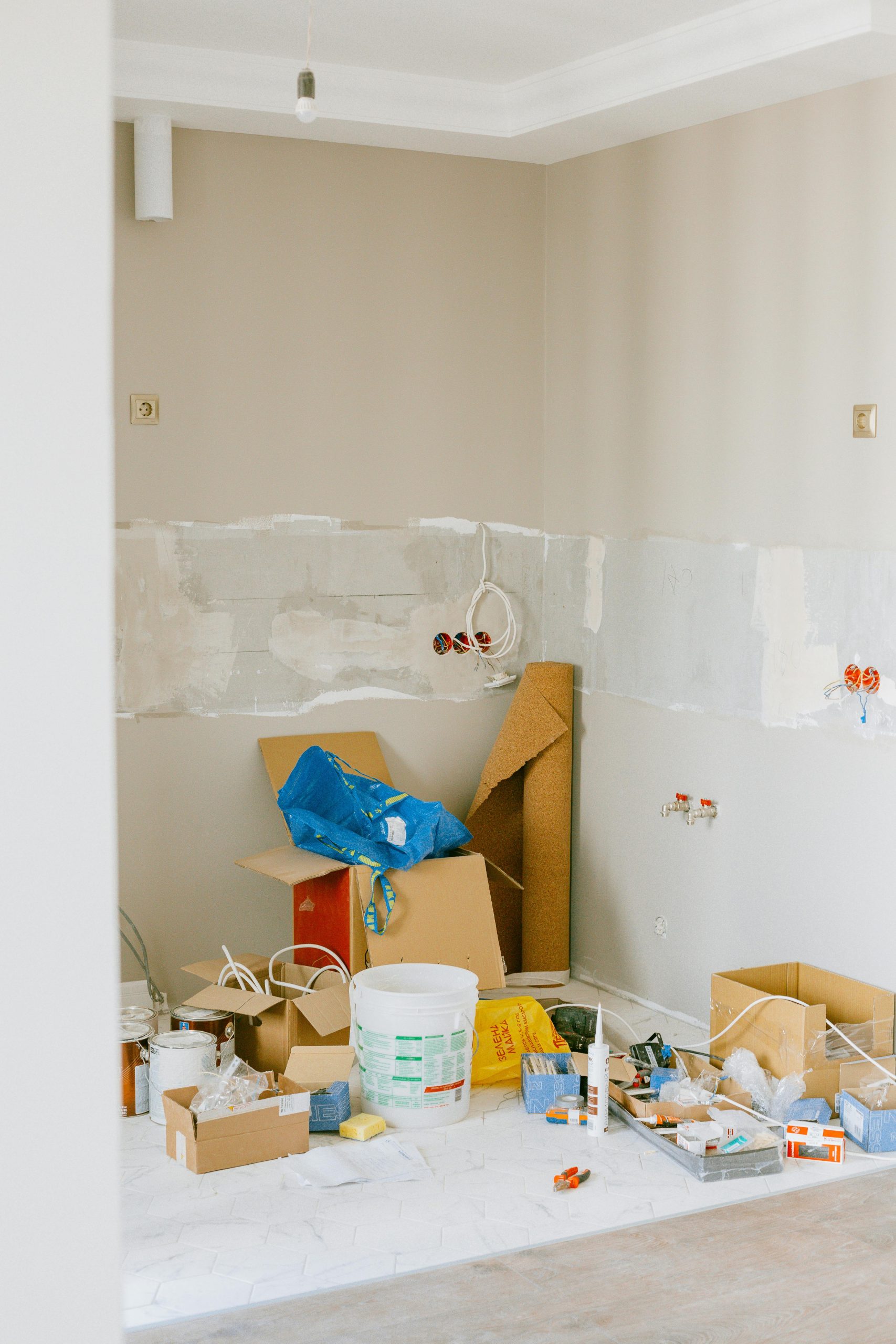
Last winter, a seller in Forest Hills called us in a panic.

They had just spent nearly $40,000 updating their kitchen and bathrooms,  and still couldn’t get a strong offer.

And here’s the part that surprised them.

It wasn’t the kitchen holding the value back.

It was the things they didn’t touch.

So before we talk about what decreases property value in Queens NY, it’s worth remembering something important:

Most sellers don’t lose money because their home is bad.
They lose money because they fix the wrong things.

That’s why this guide focuses on the real drivers of value, the ones buyers actually react to, lenders actually care about, and appraisers actually adjust for.

We'll break this into two parts:

  • Things you can control
  • Things you can’t control

And then we’ll talk about what you can do to keep the value of your home.

Things Sellers Can Control

1. Poor-Quality Renovations

Bad updates hurt more than no updates.

Sloppy tile lines, uneven floors, and DIY electrical.

Buyers notice. Inspectors notice more.

And lenders sometimes notice too.

In neighborhoods like Astoria and Flushing, where many homes are older, buyers are already cautious. Poor workmanship just confirms their fear that something else is hiding.

So instead of “updated,” they think “unfinished.”

And value drops.

2. Overgrown Landscaping or an Unmaintained Yard

This one is simple.

If the outside looks neglected, buyers assume the inside is too.

Overgrown hedges, patchy lawns, and debris in the yard.

It signals deferred maintenance, even if it isn’t true.

In Jamaica Estates and parts of Long Island City, curb appeal carries emotional weight. Buyers often decide how they feel about a house before they ever walk inside.

And that first emotional reaction sets the price ceiling.

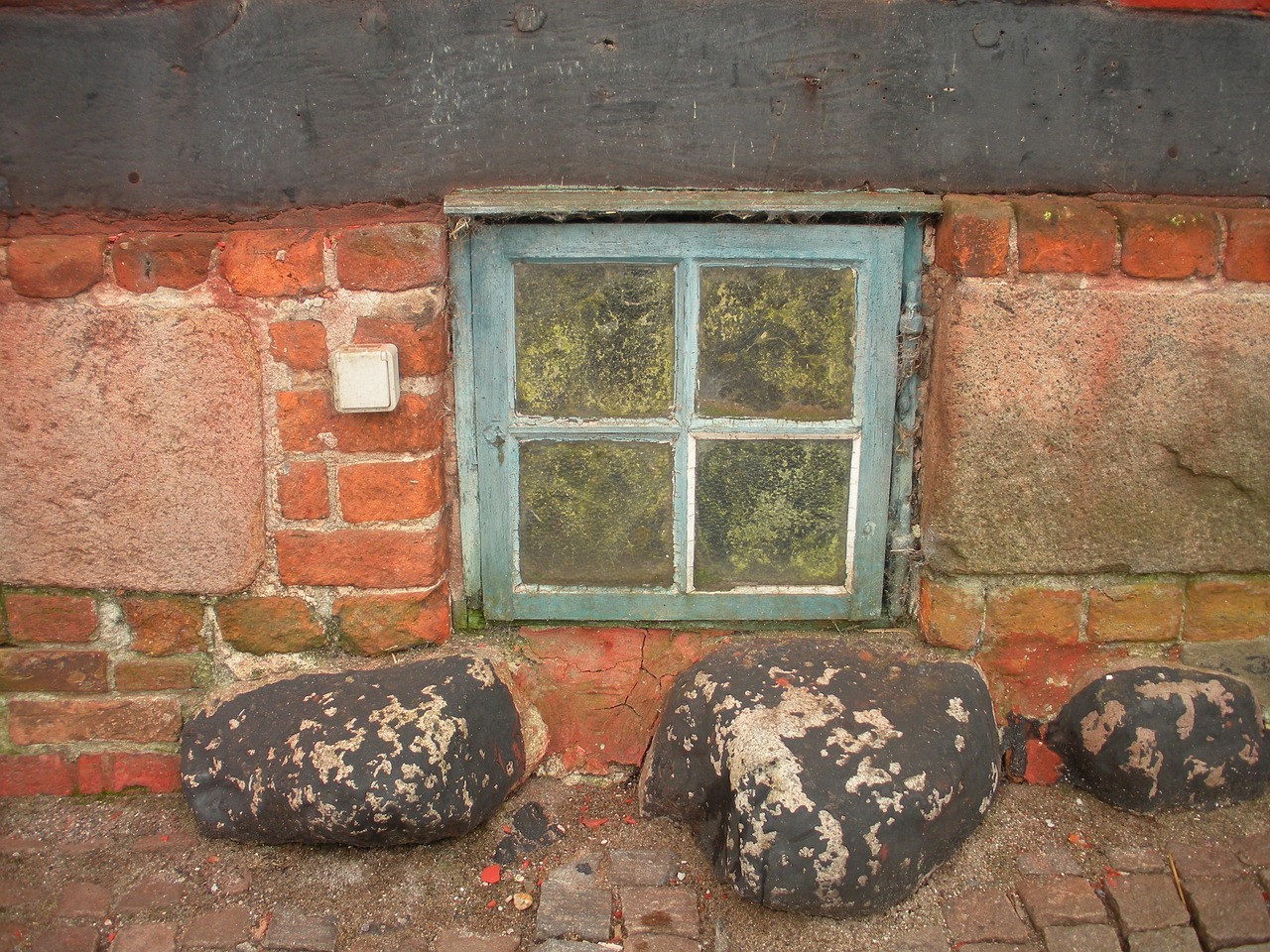
3. Dirty or Cloudy Windows

This feels minor, but it isn’t!

Dirty windows block light. Cloudy glass makes rooms feel dull.

Light equals space. Space equals value.

When windows are clean, rooms feel bigger, brighter, and more open.
When they aren’t, buyers mentally shrink the home.

And yes,  that translates into lower offers.

4. Outdated or Over-Personalized Interiors

Bold paint colors,  highly specific decor, and very trendy finishes.

They narrow your buyer pool.

Buyers don’t want to pay for your taste. They want room for theirs.

And when they see something they plan to remove, they subtract that cost from their offer.

Neutral doesn’t mean boring. It means flexible.

And flexibility preserves value.

5. Curb Appeal and Exterior Condition

Peeling paint, cracked steps, rusted railings, and faded doors.

Buyers interpret these as signs of neglect, not style.

Even if the structure is fine, visual deterioration reduces perceived quality, and perceived quality drives price more than logic ever will.

This is especially true in walkable neighborhoods like Astoria and Forest Hills, where buyers compare your house to everything they just passed on the sidewalk.

Your home doesn’t compete with listings.

It competes with expectations.

6. Clutter and Poor Presentation

Clutter makes rooms feel smaller, and small feels cheaper.

Boxes, collections, excess furniture, busy surfaces, they distract buyers from the space itself.

When buyers can’t see the house, they can’t emotionally connect to it.

And when they don’t connect, they don’t compete.

And no competition means no price pressure.

7. Deferred Maintenance

Leaky faucets, stained ceilings, warped doors, and non-working outlets.

These aren’t cosmetic issues.

They’re trust issues.

Buyers assume visible problems are just the tip of the iceberg. So they either walk away, or protect themselves with a lower offer.

Deferred maintenance doesn’t just cost money to fix.

It costs confidence.

8. Recalled or Uninsurable Home Systems

Certain plumbing, wiring, or mechanical systems can make a property difficult to insure or finance.

Even if the buyer loves the home, financing complications reduce demand.

And when demand drops, so does value.

Things Sellers Cannot Control

1. Local Market Supply and Demand

If many homes are for sale and few buyers are active, prices soften.

Even a great home has a ceiling in a slow market.

2. Economic Conditions

Job losses, business closures, or economic uncertainty reduce buyer confidence.

And when confidence drops, demand follows.

3. Population Movement

When people move into an area, prices rise.
When people move out, demand weakens.

4. Natural Disaster Risk

Flood zones, storm exposure, or insurance risks change buyer behavior.

Higher perceived risk = fewer buyers.

5. Infrastructure Decline

Deteriorating roads, transit issues, or reduced public services reduce convenience — and convenience is value.

6. School District Reputation

Whether or not you care, buyers do.

School quality influences long-term demand, which influences pricing stability.

7. Neighborhood Evolution

Zoning changes, new developments, or shifts in area use affect desirability.

Sometimes for better. Sometimes not.

8. Buyer Sentiment

If people feel optimistic, they buy.

If they feel uncertain, they pause.

And paused buyers mean softer prices.

What You Can Do

Here’s the practical part.

Don’t try to fix everything.

Focus on what buyers notice first and trust most:

  • Clean thoroughly
  • Declutter aggressively
  • Fix visible functional issues
  • Improve exterior appearance
  • Neutralize design choices
  • Present the home honestly


And most importantly…

Don’t renovate emotionally.

Renovate strategically, or not at all.

This is where working with a Real Estate Consultant who understands Queens, not just real estate, makes a difference.


A local perspective helps you avoid over-improving, mispricing, or fixing the wrong things.


Which saves money. And protects value.


Conclusion

So, what decreases property value in Queens NY?

It’s not one thing.

It’s the combination of perception, condition, confidence, and demand.

You can’t control the market.

But you can control how your home shows up inside that market.

And that’s where most value is either preserved, or lost.


If you’re thinking about selling, even if it’s months away, a quick, local value review can help you prioritize what actually matters.


Sign up to our news letter to get the latest news and updates about the property market.

Name

Leave a Reply

Your email address will not be published. Required fields are marked *